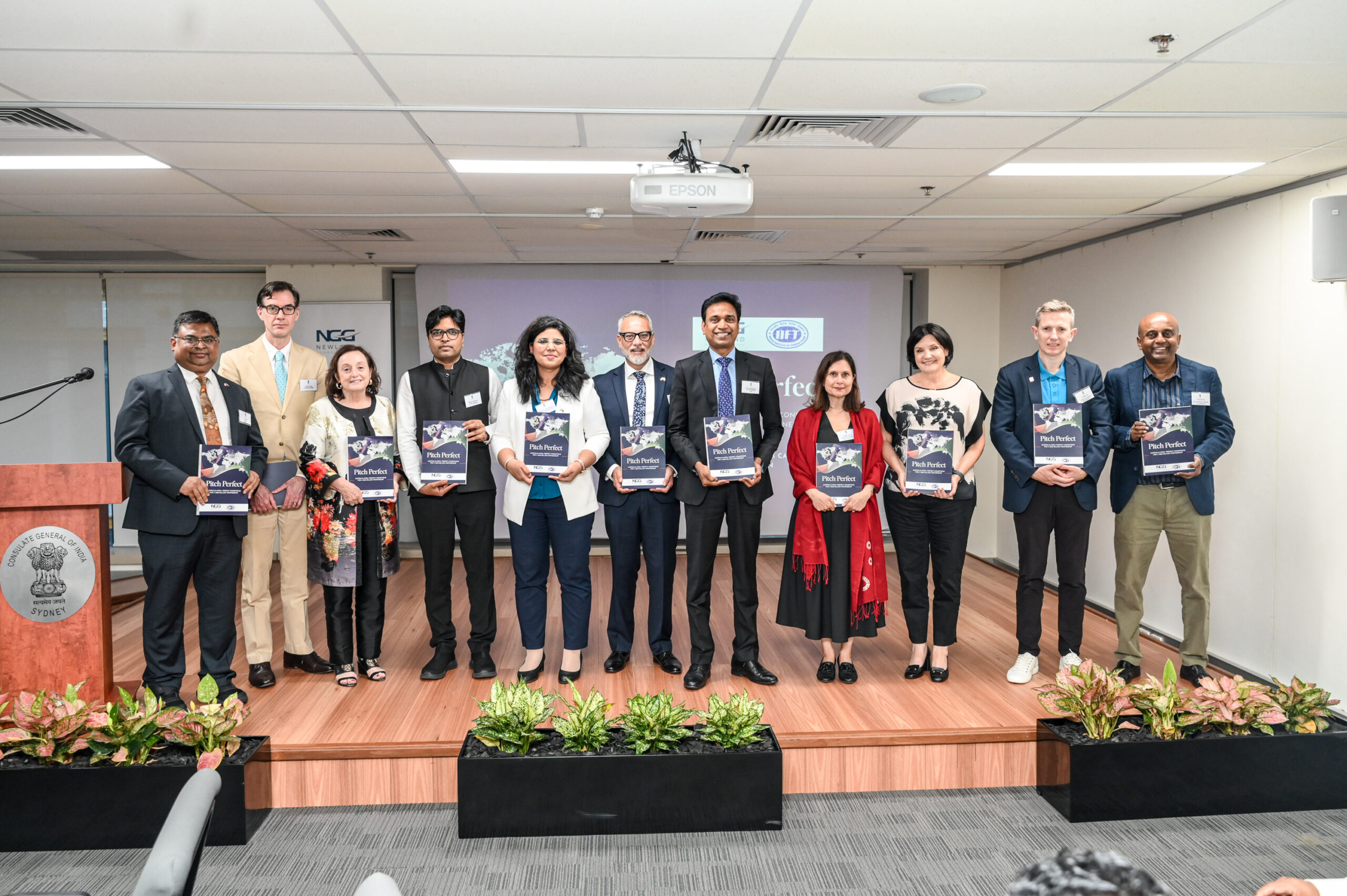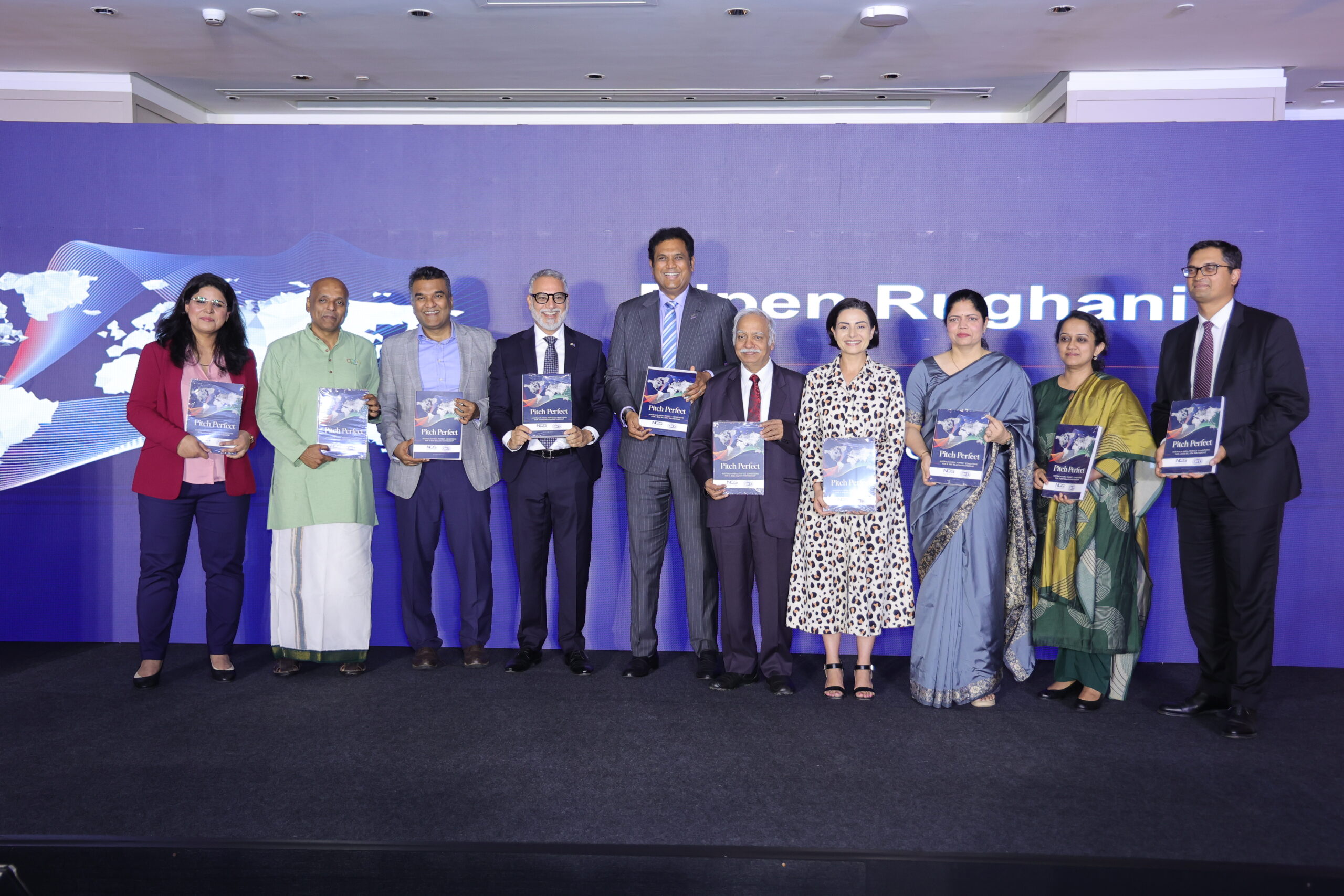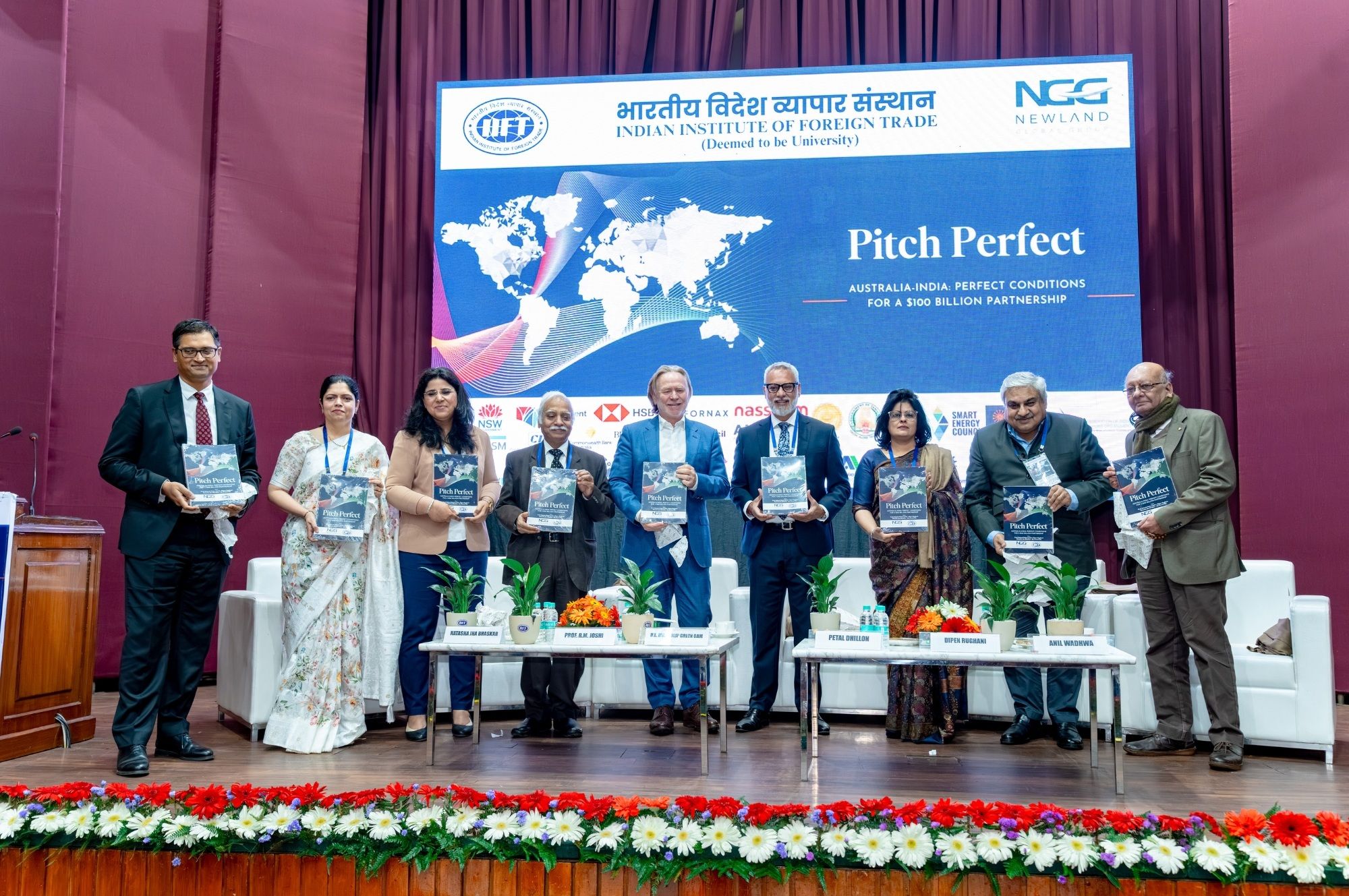


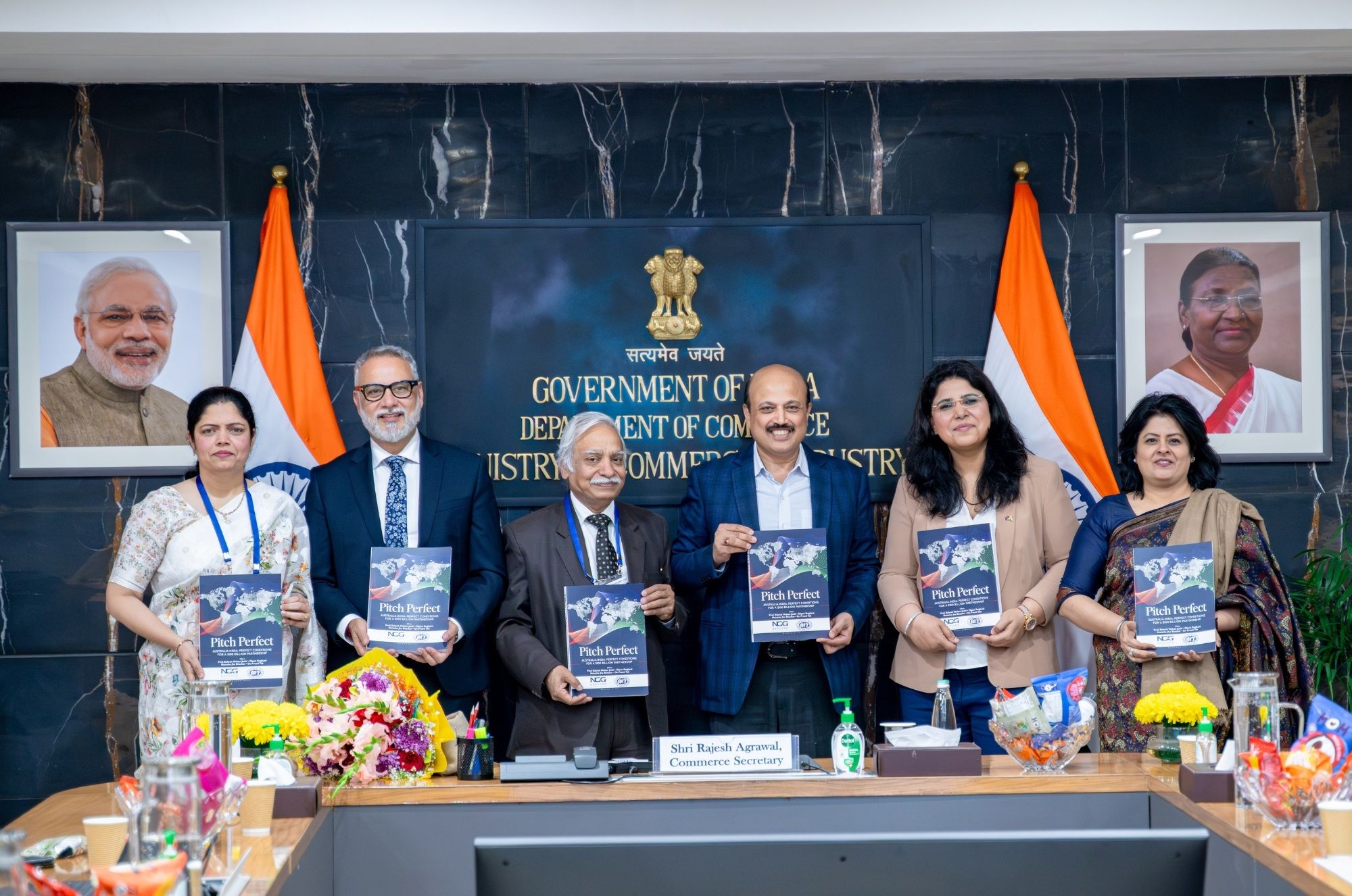
The second edition of the Australia–India Business Case Studies Compendium, researched and produced by Newland Global Group (NGG) and the Indian Institute of Foreign Trade (IIFT), and published by Bloomsbury Publishing, has been launched across five major cities, signalling a maturing and more execution-focused phase in bilateral economic engagement.
The launch series, held over the past three months in Sydney, Melbourne, Chennai, Delhi and Mumbai, was hosted by key institutional partners including the Consulate General of India in Sydney, RSM Australia, Guidance Tamil Nadu, IIFT, the Australian Consulate-General in Mumbai and Investment NSW, supported by a broader network of more than 30 partners.
Strategic backing for the Compendium came from organisations such as the Governments of Tamil Nadu and Maharashtra, the High Commission of India in Canberra, HSBC, the University of Sydney, Business NSW and the Commonwealth Bank of Australia, reflecting strong cross-sector collaboration.
Each launch convened senior leaders from government, industry and academia, underscoring the growing importance of the Australia–India economic corridor. While discussions in Australia centred on readiness and capability-building for engaging India, conversations in India focused on scale, speed and integrating global partnerships into an already expanding ecosystem.
Observers noted a clear shift in tone—from exploratory dialogue to practical questions around execution and long-term success. Strong participation from companies already operating in-market, alongside active involvement from state governments and institutions, reflected this transition.
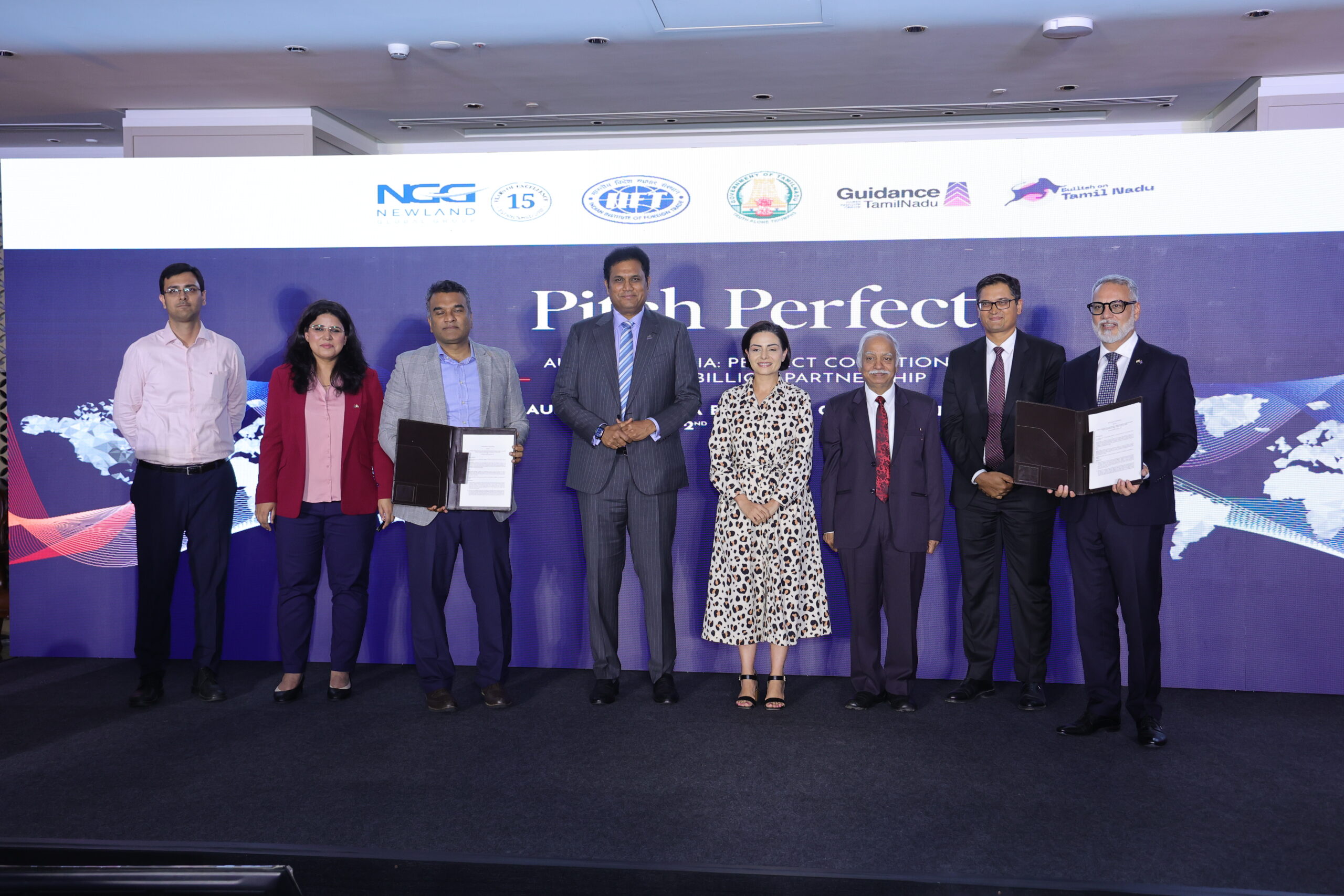
Two key outcomes from the initiative included targeted memorandums of understanding signed by NGG with Guidance Tamil Nadu to support manufacturing collaboration, and with the Government of Maharashtra to advance corporate and investment engagement.
Based on 18 months of research and industry interaction, the Compendium highlights how successful companies are adapting their strategies—focusing on localisation, rethinking operating models and aligning governance and talent across both markets.
Data presented in the report indicates strong momentum in bilateral trade, which has grown by 43 per cent to approximately $49 billion. Around 70 per cent of companies reported direct benefits from the Australia-India Economic Cooperation and Trade Agreement (AI-ECTA), while dual-market and joint venture models are becoming increasingly common.
The publication also offers sectoral insights across trade and market access, technology and innovation, energy transition and advanced manufacturing, linking company-level execution with broader industry opportunities.
Experts note that the pathway towards $100 billion in bilateral trade is now increasingly achievable, but success will depend on strategic execution rather than early entry alone. Companies that take a measured approach—focusing on partnerships, sequencing and structural alignment—are seen to be outperforming others.
With contributions from over 30 partners and outreach to more than 400,000 businesses, the Compendium is positioned as a practical guide for companies navigating the evolving Australia–India business landscape.