


New Delhi, Jan 12 (IANS) Delhi’s Intermediate Reference Laboratory (IRL), Tuberculosis Centre, has achieved a major milestone with its first certification from the Central Tuberculosis Division (CTD), Government of India, to conduct Drug Susceptibility Testing (DST) for two drugs, an official said on Monday.
Bedaquiline (BDQ) and Pretomanid (Pa), which will be tested, are two key drugs used globally for the treatment of drug-resistant tuberculosis (DR-TB), the official said.
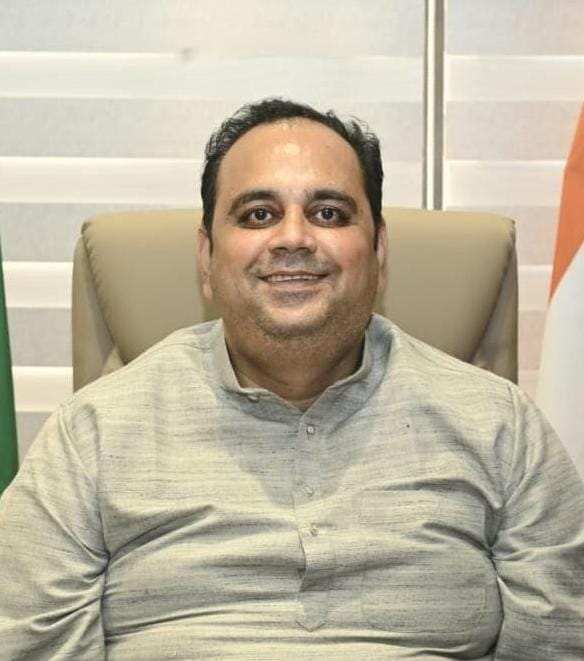
This certification marks a significant advancement for Delhi’s TB response, enhancing the state’s in-house capacity to diagnose and manage multidrug-resistant (MDR-TB) and extensively drug-resistant tuberculosis (XDR-TB), said Pankaj Kumar Singh, Delhi Health Minister.
“This certification is a major boost to our TB elimination efforts. By enabling in-state DST for Bedaquiline and Pretomanid, we are ensuring faster, more accurate diagnosis and timely treatment for our patients. Delhi remains firmly committed to contributing to the Prime Minister’s vision of a TB Mukt Bharat, and we will continue to strengthen our diagnostic and treatment systems with the highest standards of care,” he said.
Until now, many patient samples requiring advanced DST had to be sent outside the state, leading to delays in diagnosis and treatment. With this approval, patients in Delhi will now benefit from faster results, timely treatment initiation, and better clinical outcomes, he said.
The IRL New Delhi TB Centre is among the country’s most advanced laboratories, equipped with cutting-edge technologies such as BSL-3 laboratory facility, MGIT 960, Line Probe Assay (LPA), Xpert XDR, Whole Genome Sequencing (WGS), Truenat, PathoDetect, and Real-Time PCR.
These high-end diagnostic platforms ensure comprehensive, accurate, and rapid TB detection, fully aligned with national and global standards.
In 2025 alone, the laboratory processed over 30,000 samples, demonstrating its crucial role in supporting TB diagnosis and treatment across the state.
Delhi has consistently demonstrated exemplary leadership in strengthening TB care under the National TB Elimination Programme (NTEP).
The state has enrolled the highest number of eligible drug-resistant TB patients on the new WHO-recommended BPaLM regimen (1,065 since December 2024)—a shorter, more effective treatment noted for higher success rates and significantly reduced mortality.
Simultaneously, Delhi continues to intensify Active Case Finding (ACF) drives across high-risk and vulnerable communities. Supported by rapid molecular diagnostics, these efforts ensure early detection of TB and drug resistance, prompt treatment initiation, and seamless linkage to care.